Internationale CAJ - www.joci.org
-
ILO Conference 2026: IYCW's Statement on the Effects of AI on Young Workers & their Lives
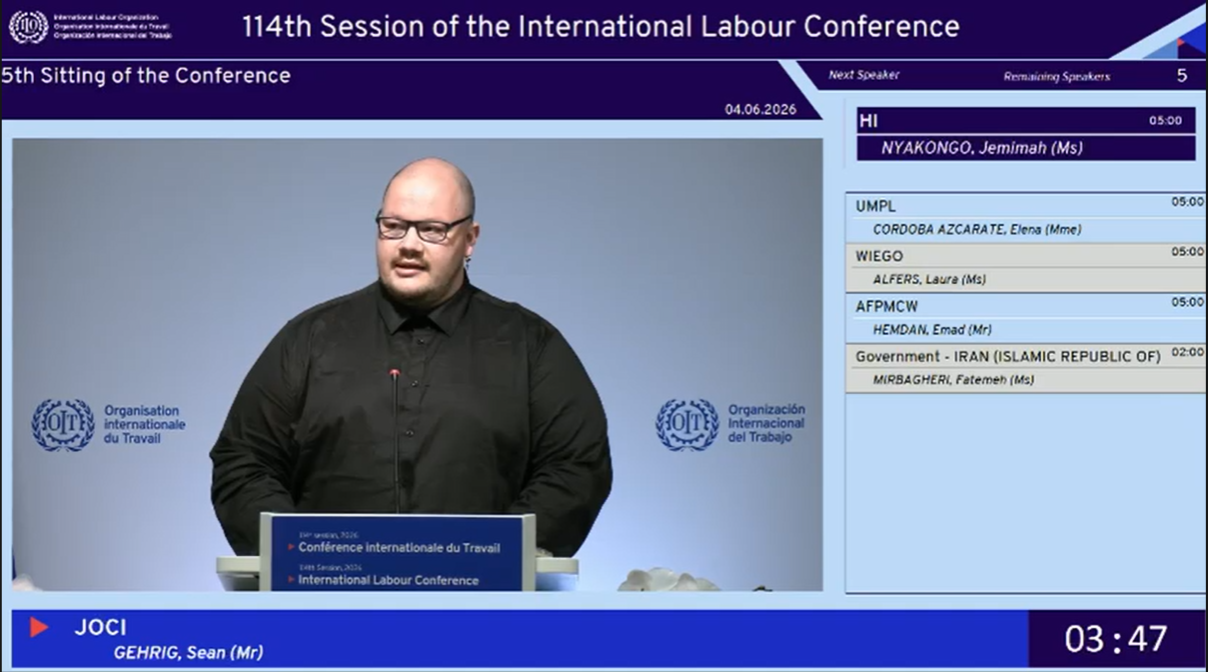
Distinguished Chairperson, Director-General, delegates,
The International Young Christian Workers welcomes the Director-General’s report on artificial intelligence (AI) and the future of work.
The report reminds us that AI is not neutral, we are reminded that the impact it has will depend on the choices we make as societies. Technology is deepening the inequality and insecurity, but it should contribute to decent work and human dignity. -
Adults’ insights into the reality faced by workers in Venezuela
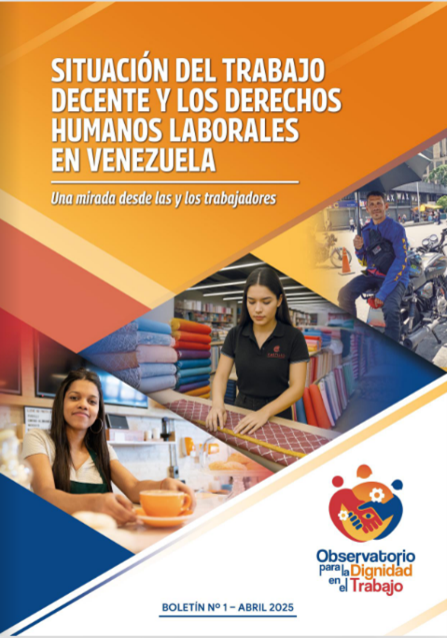
From late 2020 and throughout 2021, the easing of lockdown restrictions in the wake of the pandemic spurred a massive revival of employmentin high-demand retail and service sectors. This trend not only strengthened but also broadened the commercial sector’s impacton both overall economic activity and the employability of the economically active population.
In the specific context of Venezuela, this phenomenon was reflected in an increase in domestic economic activity, driven significantly by the boom of trade, which manifested itself in the emergence of the so-called ‘bodegones’and the rapid revival of the retail sector.
In the face of this reality, the Observatory for Dignity in Work(Observatorio para la Dignidad en el Trabajo, an initiative driven by activists from the labour and popular movements, and particularly by former members of the JOC) deems it essential to deepen our understanding and analysis of wage labour relationsin these sectors.
-
Young Workers Rise: A Global Call for Dignity, Justice, and Dignified Work
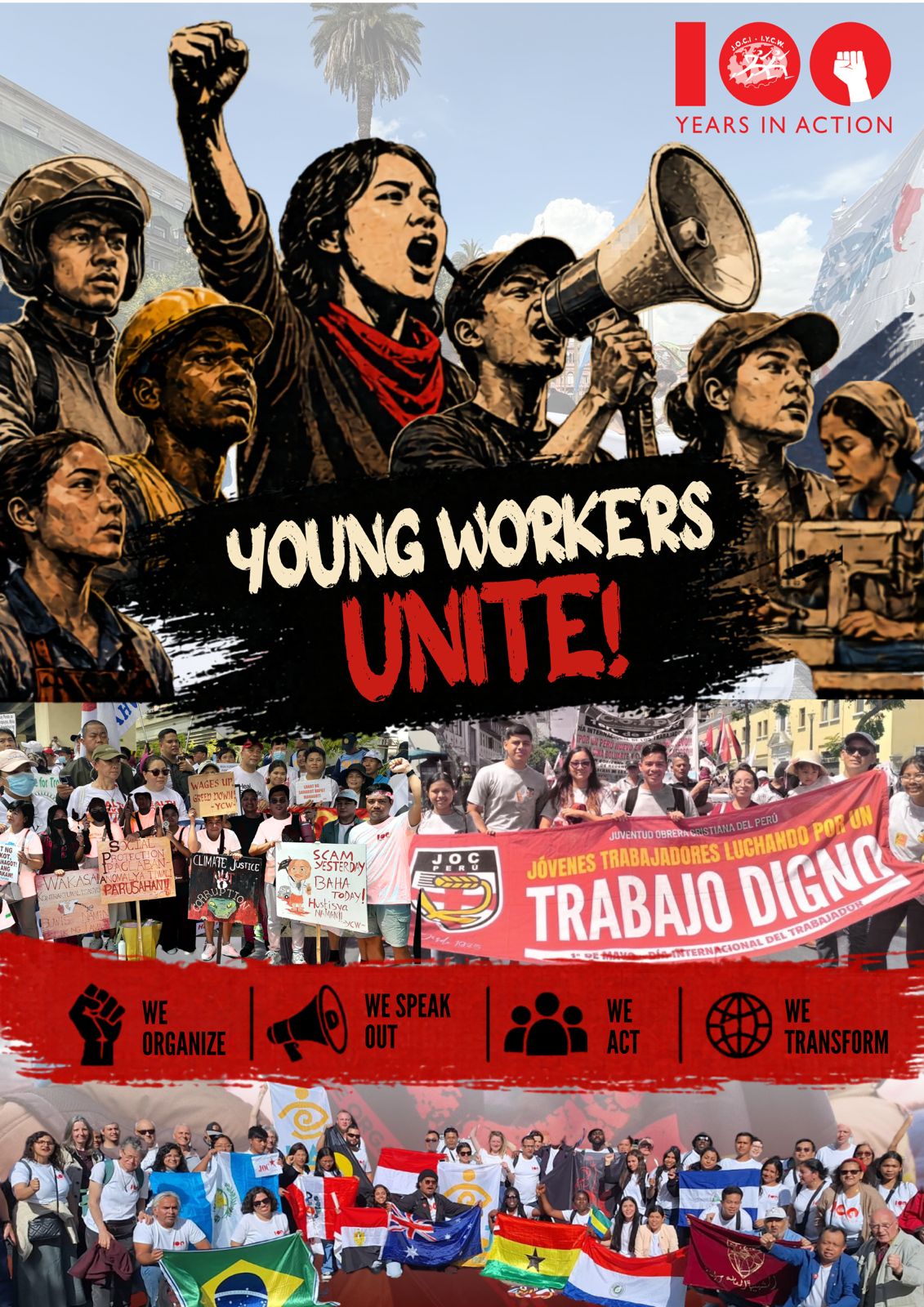
On this May 1st, International Workers’ Day, we, the young people of the International Young Christian Workers (IYCW/JOCI), raise our voices together across the world.
We speak from our concrete realities — from factories and homes, from streets and digital platforms, from rural communities and urban neighbourhoods. We are part of a living history of more than a century of struggle, where generations of young workers have organized not only to defend the dignity of work, but to transform society through solidarity, collective action, and hope.
-
Young Workers in the Philippines Strengthening Solidarity and Leadership
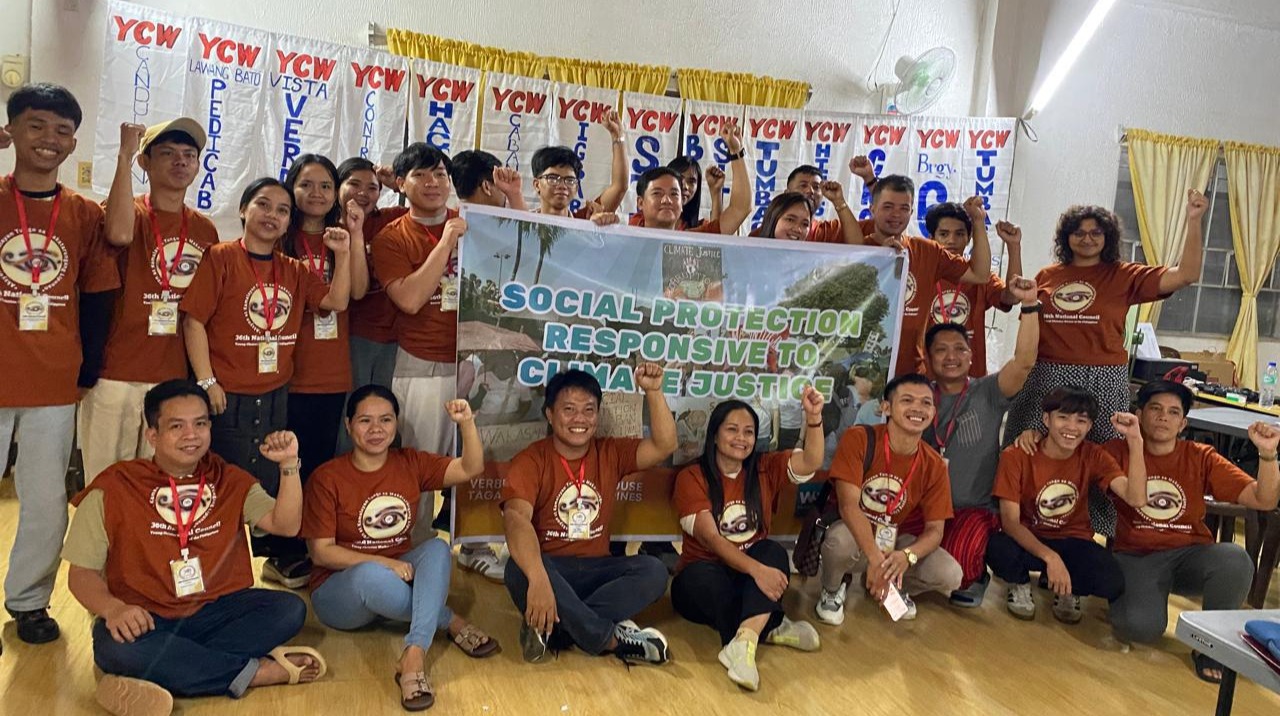
During a recent visit to the Philippines, a strong message resonated across regions and communities: young workers are actively organizing, learning from one another, and building collective strength to shape a more just and dignified future. Through dialogue, exchange, and shared reflection, the Young Christian Workers (YCW) movement continues to be a vital space where young people transform lived realities into collective action.
-
International Women’s Day: Together We Are Stronger
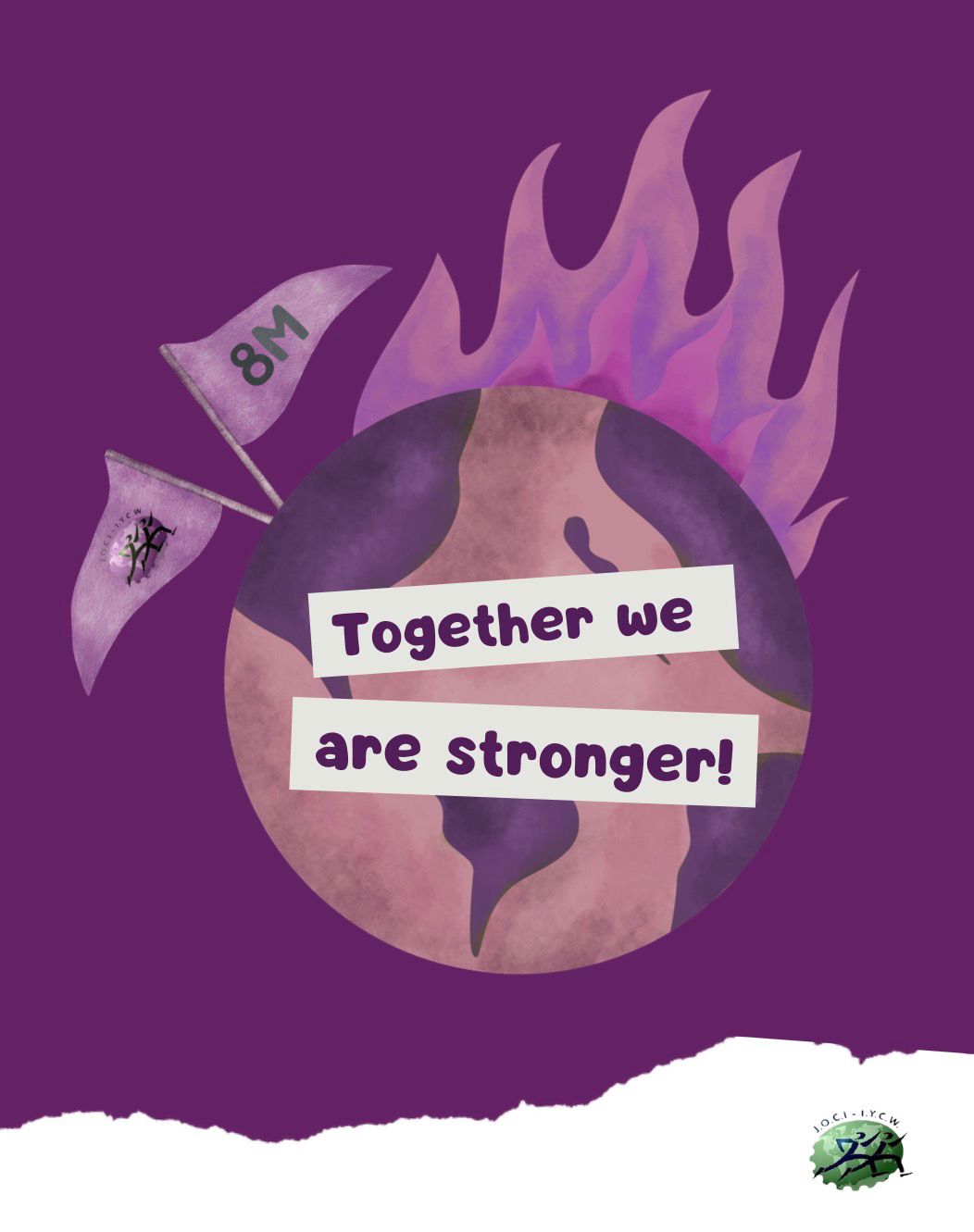
Today, on International Women’s Day, we stand in solidarity with every woman whose voice has been silenced by fear, violence, discrimination, or stigma — including in the very spaces where she should feel safe and valued: her workplace. While this day celebrates women’s achievements all through history, it must also confront a persistent reality: gender inequality and gender-based violence remain deeply embedded in the world of work.